
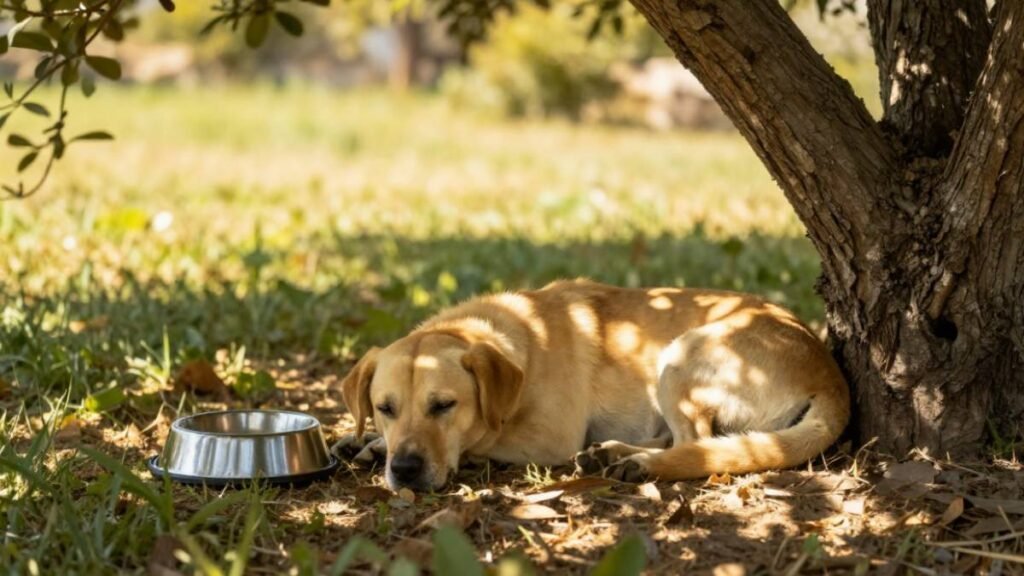
The heatstroke in dogs is a veterinary emergency. It’s not simply that the dog is hot or tired after a walk: it happens when its body cannot regulate temperature and begins to affect the normal functioning of the organism.
It can develop in a matter of minutes, especially in summer, during very hot walks, intense exercise, waiting inside the car, sunny terraces or poorly ventilated spaces. Some dogs, such as brachycephalic breeds, older dogs, puppies or overweight dogs, are at higher risk.
If your dog pants heavily, is weak, staggers, vomits, has very red gums or seems disoriented after being exposed to heat, act quickly and contact a veterinarian.
At Animal Salut, in Barcelona, we can help you prevent risky situations and assess dogs that are especially sensitive to heat. But with severe symptoms, the priority is always urgent veterinary care.
What is heatstroke in dogs
Dogs do not sweat like people. They regulate temperature mainly by panting and, to a lesser extent, through their paw pads. That’s why, when it’s very hot, humid or the dog cannot ventilate well, its body can overheat quickly.
Heatstroke occurs when that rise in temperature exceeds the dog’s ability to compensate. If action is not taken in time, it can affect important organs and become a serious situation.
The dog does not need to have been in the sun for hours. Sometimes a walk that is too long, playing ball during hot hours, being left in a car or being in a very hot room without ventilation is enough.
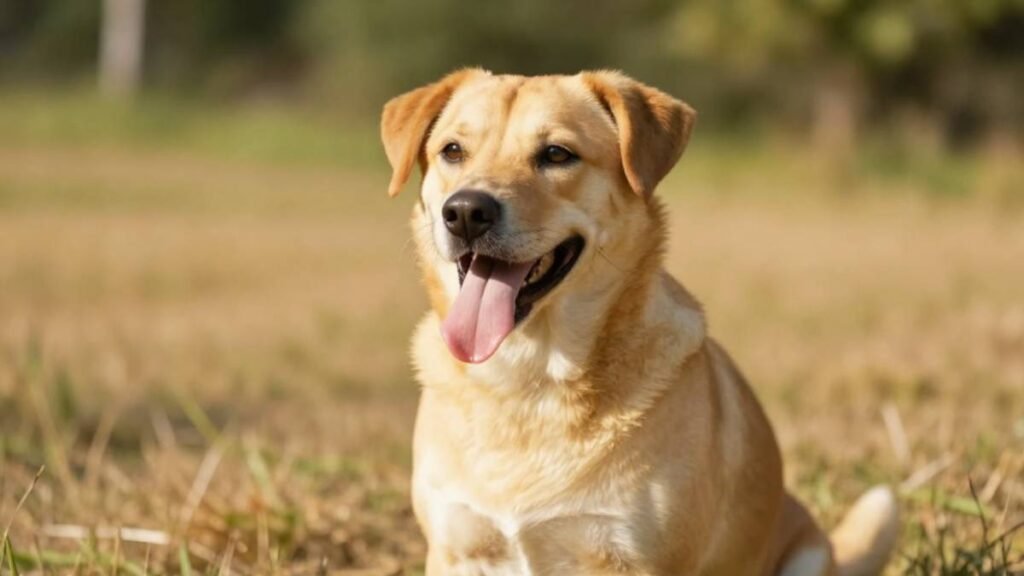
Symptoms of heat stroke in dogs
Symptoms can start mildly and worsen quickly. Pay attention to any changes after exposure to heat.
Initial symptoms
The most common signs are:
- Heavy panting or panting that does not subside.
- Excessive or thick drooling.
- Very red tongue and gums.
- Restlessness or nervousness.
- Sudden tiredness.
- Weakness.
- Vomiting.
- Diarrhea.
- Frantic searching for shade or water.
A dog may pant after a walk, but it is not normal for panting to be excessive, not improve at rest, or be accompanied by weakness, vomiting, or disorientation.
Severe symptoms
You should go to the veterinarian urgently if any of these signs appear:
- Staggering.
- Difficulty getting up.
- Confusion.
- Very labored breathing.
- Pale, bluish or very congested gums.
- Collapse.
- Seizures.
- Loss of consciousness.
- Bloody diarrhea.
Although the dog may seem to improve after cooling, there can be internal complications. That is why it’s important for a veterinarian to evaluate the dog.
Dogs at higher risk of heat stroke
Any dog can suffer heat stroke, but some are more vulnerable.
Brachycephalic dogs
Short-nosed dogs, such as French bulldogs, English bulldogs, pugs, boxers, shih tzus, or Boston terriers, have more difficulty breathing and releasing heat through panting.
With these dogs you should take extra precautions even on days that don’t seem particularly extreme.
Puppies and senior dogs
Puppies and senior dogs regulate temperature less effectively. They may also tire sooner and show symptoms less clearly.
Overweight dogs or dogs with illnesses
Overweight, cardiac, respiratory or neurological problems increase the risk. In these cases, it’s advisable to adapt walks and avoid any exertion during hot hours.
Dogs with dense coats
Dogs with heavy coats or dense undercoats can accumulate more heat if the coat is not well maintained. This does not mean they should always be shaved. In many cases, the fur also protects the skin. The most recommended approach is to brush thoroughly and consult before making very close trims.
What to do if your dog has heat stroke
If you suspect your dog is suffering heat stroke, don’t wait to see if it improves on its own.
1. Take it to a cool place
Remove it from the sun or hot environment. Look for shade, ventilation, air conditioning, or a cool area. Do not force it to keep walking.
2. Cool it down gradually
Wet its body with cool, not cold, water. You can apply water to the neck, chest, abdomen, groin and armpits. If you have a fan nearby, use it to help lower the temperature.
Do not use ice directly over the whole body or extremely cold water, because it can interfere with safe heat loss.
3. Offer water, but don’t force it
If it is conscious and can swallow well, offer small amounts of fresh water. Do not force it to drink and do not put water into its mouth.
4. Call the veterinarian
Contact your veterinarian while you begin cooling it. If symptoms are severe, go to a veterinary center urgently.
5. Transport it with ventilation
During transport, keep the car cool and ventilated. Continue cooling it if possible, but do not delay veterinary care.
What not to do
In a heat stroke, some mistakes can worsen the situation. Avoid:
- Waiting for it to “pass”.
- Giving human medication.
- Forcing it to drink.
- Putting it in icy water.
- Placing ice directly over the entire body.
- Covering it with warm, wet towels.
- Forcing it to walk.
- Canceling the veterinary visit because it seems a bit better.
Heat stroke can cause internal damage even if the dog seems recovered after a few minutes.
When to go to the veterinarian
You should see a veterinarian if your dog has been exposed to heat and shows weakness, vomiting, diarrhea, staggering, respiratory difficulty, abnormal gums, collapse, or seizures.
It is also advisable to consult if it belongs to a risk group: brachycephalic dogs, senior dogs, puppies, overweight dogs, or those with pre-existing illnesses.
At Animal Salut we can assess many cases from our veterinary center in Barcelona and guide families on prevention and follow-up. If the dog is stable and the concern is not urgent, the online consultation can help resolve initial questions. If the animal becomes very stressed when traveling, the home veterinarian can be useful for preventive check-ups or non-urgent evaluations.
What the veterinarian can do
Treatment depends on severity. The veterinarian can assess temperature, hydration, breathing, neurological status, and signs of shock.
In some cases blood tests, fluid therapy, oxygen, electrolyte control or monitoring may be necessary. If internal damage is suspected, it’s important to check organs such as the kidney, liver and the coagulation system.
Not all heat strokes progress the same. Therefore it is not advisable to treat it at home as if it were just simple tiredness.
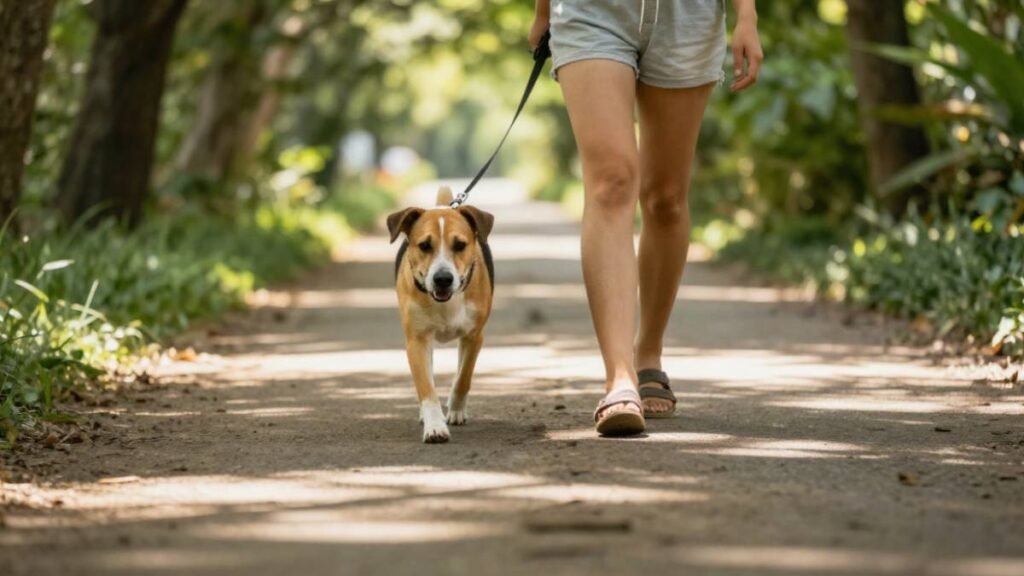
How to prevent heatstroke in dogs
Prevention is the best tool. In summer, small changes to the routine can prevent major problems.
Walk during cool hours
Avoid the hottest hours of the day. Ideally walk early in the morning and at night. If it’s very hot, shorten walks to quick outings so they can relieve themselves.
Be careful with asphalt
Asphalt can burn paw pads and greatly increase the feeling of heat. Touch the ground with the back of your hand for a few seconds. If it burns you or feels uncomfortable, it’s not safe for your dog.
Avoid intense exercise
Don’t play fetch, don’t run and don’t do long routes during hot hours. Many dogs keep playing even when they’re exhausted, and that increases the risk.
Always bring water
In summer, bring water on walks. You can offer small amounts and wet them if you notice they start to overheat.
Never leave them inside the car
Even for short periods and even if the windows are slightly open, the car can reach dangerous temperatures very quickly. Never leave your dog alone inside the car.
Keep the house cool
Keep water available, lower blinds during peak sun hours, and make sure the dog can choose a cool area. Do not keep them locked on balconies, terraces or rooms without ventilation.
Check the coat
Brushing helps remove dead hair and improve coat ventilation. If you have doubts about trimming, de-shedding or maintenance, consult a professional before shaving.
Heatstroke in dogs in Barcelona
In Barcelona, heat often combines with humidity, hot asphalt, traffic and few cool areas at certain times. This increases the risk, especially for small dogs, brachycephalic breeds, older dogs or those with respiratory problems.
During the hottest months, it’s advisable to adapt the routine: shorter walks, shade, water, rest and avoiding unnecessary travel during peak hours.
Animal Salut has a veterinary center in La Sagrera, online consultation and veterinary home visit service in Barcelona and surrounding areas. We can help you review your dog’s summer habits, identify risk factors and advise you on the best way to prevent heat-related problems.
Frequently asked questions about heatstroke in dogs
Take them to a cool place, wet them with cool water, use ventilation, offer small sips of water if they’re conscious and call the veterinarian. If they are weak, unsteady, vomiting or breathing poorly, seek emergency care.
The most frequent symptoms are excessive panting, drooling, very red gums, weakness, vomiting, diarrhea, staggering, confusion, collapse, or seizures.
Yes. You can wet it with cool or tap water and assist with ventilation. Avoid ice-cold water, direct ice, and covering it with hot damp towels.
Yes, but only small amounts and if it is conscious and can swallow properly. Do not force it to drink.
It is urgent if the dog is staggering, vomiting, has diarrhea, has difficulty breathing, is very weak, collapses, convulses, or has pale, bluish, or very red gums.
Yes. Heatstroke can be fatal if action is not taken quickly. That’s why it is important to cool the dog safely and seek veterinary care.
Brachycephalic dogs, senior dogs, puppies, overweight dogs, dogs with heart or respiratory disease, and dogs with dense coats are at higher risk.
Walk during cool hours, avoid intense exercise, bring water, do not leave them in the car, keep the house ventilated, and adjust your dog’s routine if they are at risk.
Heatstroke in dogs is an emergency that can progress quickly, but many situations can be prevented with proper routines and attention to the first symptoms.
If you have questions about how to protect your dog during the summer in Barcelona, at Animal Salut we can help you from our veterinary center, via online consultation, or with a home-visit veterinarian when the situation allows.